Cheaper Freight Shipping

Understanding Freight Class and Shipping Costs
Discover how freight class impacts your shipping costs and learn to use a freight class calculator effectively. Make informed shipping decisions and optimize your expenses.
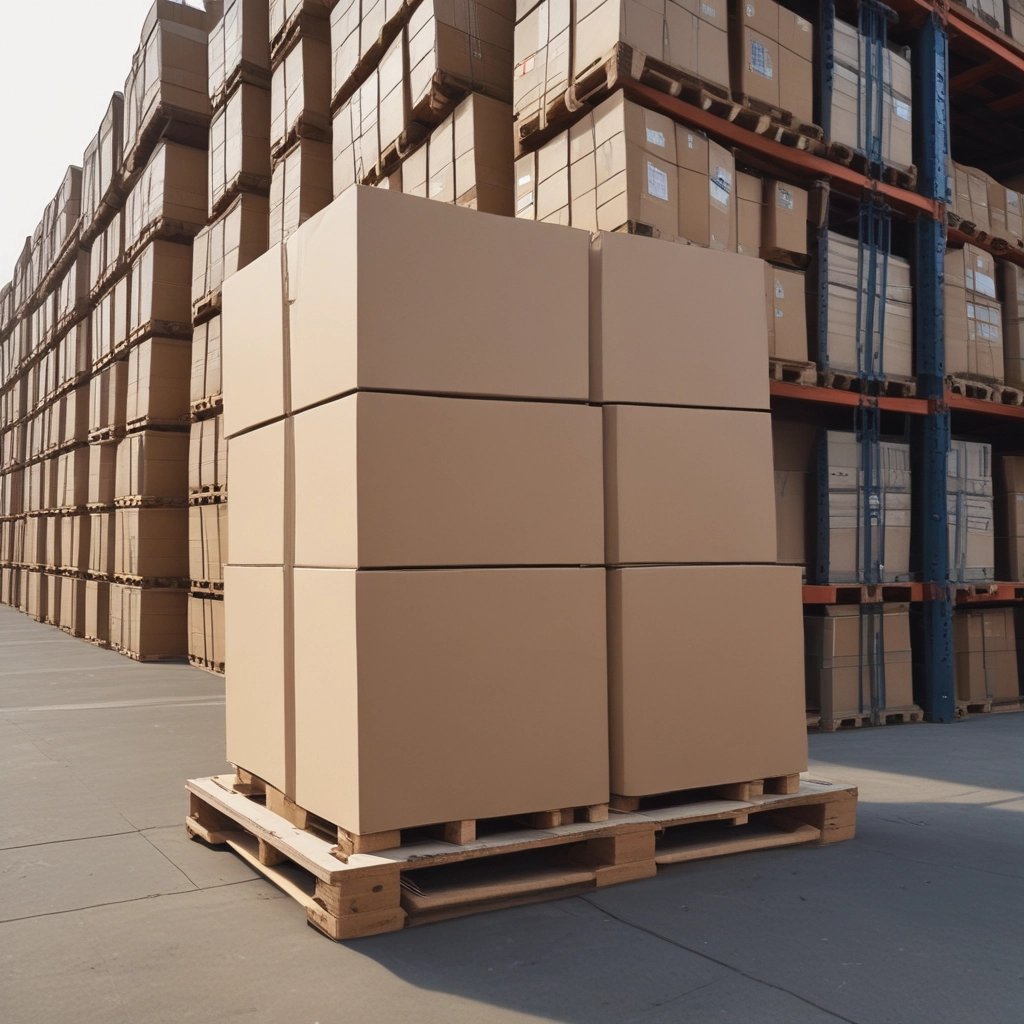
What is Freight Class?
Freight class is a classification system used by the freight shipping industry to categorize goods based on several attributes, including density, stowability, handling, and liability. This classification plays a crucial role in determining shipping costs and rates for freights transported via less-than-truckload (LTL) shipping. Understanding the intricacies of freight class is essential for shippers, as it impacts both operational efficiency and cost management. As businesses continue to expand and evolve, the importance of accurately classifying shipments cannot be underestimated, and it serves as a foundation for effective supply chain management.
The Importance of Freight Class in Shipping
Freight class affects the shipping process significantly. Each item is assigned a specific freight class number, typically ranging from 50 to 500. Items that are heavier and more difficult to handle generally fall under a higher freight class number. In contrast, lightweight and easy-to-handle items are categorized with lower class numbers. Understanding freight class is essential for businesses as it directly influences their shipping costs and logistics strategies. For businesses that ship regularly, establishing a clear understanding of how freight class relates to their specific products can help in negotiating better rates with carriers. Moreover, being aware of freight classifications can also assist shipping departments in minimizing unanticipated expenses that might arise from misclassification.
How Freight Class Affects Shipping Costs
Shipping costs are determined not only by the distance and mode of transport but also by the designated freight class of the shipment. When carriers calculate rates, they consider the freight class number assigned to the shipments. Higher freight class numbers indicate that the shipment is more challenging to handle and transport, leading to increased costs. Conversely, lower classes generally result in lower shipping fees. This means that a thorough understanding of freight classifications can afford businesses the opportunity to make informed decisions regarding their shipping practices—whether that involves optimizing packaging, selecting the right carriers, or identifying the most efficient routes.
Additionally, having an accurate freight class designation is vital. Misclassification can lead to unexpected bills and fees, which can disrupt the budgeting and financial planning of businesses. It is crucial to work with a knowledgeable logistics provider to ensure that all shipments are accurately classified based on the guidelines established by the National Motor Freight Traffic Association (NMFTA). Regular training and workshops for the logistics team can reinforce the importance of freight classifications and the consequences of incorrect classifications. A well-informed staff can drastically reduce the likelihood of errors and promote a culture of accuracy and accountability within the shipping department.
In summary, understanding freight class is pivotal for anyone involved in freight shipping. It not only helps businesses gauge their shipping expenses but also ensures smooth logistics operations by fostering accurate planning and execution. In the ever-changing landscape of global trade, companies that prioritize their understanding of freight class will not only save on costs but also gain a competitive edge by improving their overall logistics performance.
Steps to Use a Freight Class Calculator
Gather Required Information: To use a freight class calculator, you'll need specific details about your shipment, including: - Weight of the shipment (in pounds) - Dimensions (length, width, height in inches) - Description of the item (what it is and how it is packaged) - Any special handling requirements or risks associated with the shipment.
Help
Get quick answers to your shipping questions
Contact
© 2026. All rights reserved.