Cheaper Freight Shipping
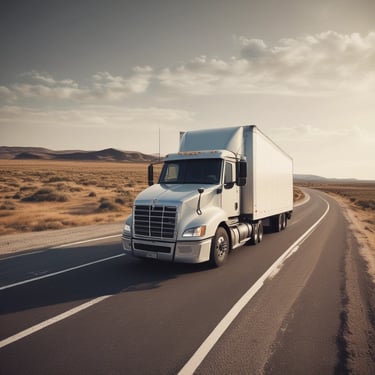
First-Time LTL Freight Shipping Guide for Small Manufacturers
Starting to ship pallets from your small factory? Don't pay expensive carrier retail rates. Learn the step-by-step roadmap to booking cheap LTL freight.


"In a rush to ship a pallet? Don't pay retail prices. Use [Freight Sidekick] to compare instant wholesale LTL rates across 20+ carriers right now."
The Retail Rate Trap
If your small factory just started manufacturing bulk orders, congratulations—moving from parcel boxes to pallets is a massive milestone! But if you walk onto a major carrier's website (like XPO, FedEx Freight, or TForce) to book your first Less-Than-Truckload (LTL) shipment, you are going to get hit with absolute sticker shock.
Why? Because direct carriers charge independent small businesses massive, unnegotiated retail spot rates. They reserve their deep discounts for enterprise factories shipping 50 pallets a day.
To keep your factory profitable, you should never book directly with a retail carrier. Instead, you need to leverage volume consolidators and digital freight brokers who pool the shipping volumes of thousands of small businesses to unlock institutional, wholesale discounts.
Calculate Your Freight Class (Before You Book!)
Before choosing a platform, your factory must understand Freight Class and Density. Unlike parcel shipping, where you just weigh a box, LTL rates are determined by how much space your pallet takes up inside the truck.
The Danger: If you guess your freight class incorrectly, the carrier will scan your pallet at their distribution terminal and hit your factory with an automatic $150 Reclassification Fee plus the rate adjustment.
Pro-Tip: Use an updated [LTL Freight Class Cheat Sheet] to calculate your cubic density precisely before generating any quotes.
Account for "Accessorial Fees"
Does your small factory have a raised loading dock or a forklift? Does the customer receiving your goods have a dock? If the answer is no to either, you must request a Liftgate Service.
If the truck driver has to manually lower your pallet to the ground using a hydraulic liftgate, and you didn't check that box during booking, the carrier will add an unexpected $75–$100 adjustment to your final invoice. Always note whether your origin and destination are commercial docks or residential/limited-access sites.
The Verdict: Who Should Your Small Factory Use?
To get the lowest rates and protect your factory from hidden billing adjustments, we recommend using these digital logistics platforms:
1. For Domestic Pallets & Machinery: Freight Sidekick
For standard domestic shipping within North America, [Freight Sidekick] is the gold standard for small factories.
Why it works: Instead of making you log into twenty different carrier websites, Freight Sidekick acts as a central digital dashboard. You type in your zip codes, dimensions, and weight, and it instantly generates a side-by-side comparison of 20+ top asset-based carriers.
The Small Business Advantage: Because they bundle massive shipping volumes, they pass institutional wholesale rates directly down to small facilities, saving you up to 30–50% off standard carrier retail prices.
2. For Cross-Border & Heavy Air Cargo: NEX Worldwide Express
If your factory is shipping pallets across international borders (such as to Canada, Mexico, or overseas), use [NEX Worldwide Express].
Why it works: Cross-border freight typically requires hiring an independent customs broker and navigating mountains of international tariff paperwork.
The Small Business Advantage: NEX completely streamlines international freight. They integrate ocean freight, air cargo, and cross-border trucking into one dashboard while handling the complex customs documentation for you at deeply discounted small-business rates.
Help
Get quick answers to your shipping questions
Contact
© 2026. All rights reserved.